Causes and Preventive Measures for Cracking in Silica Bricks

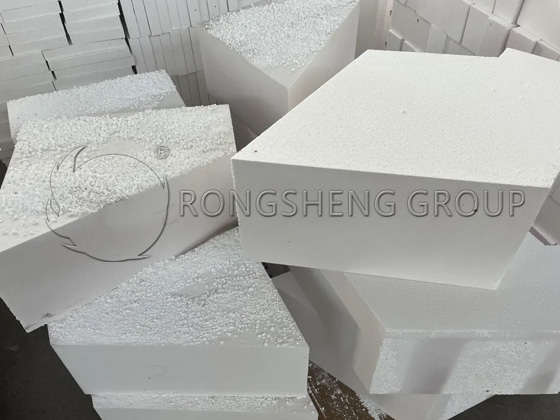
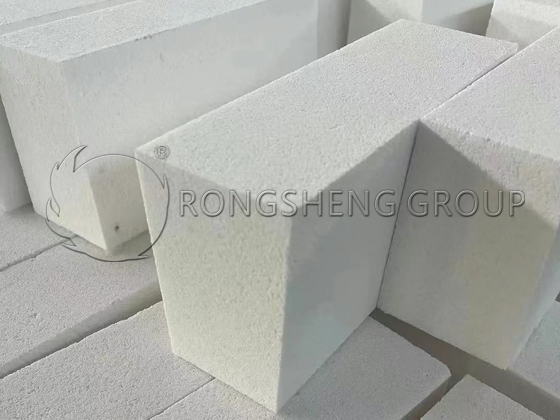
Silica bricks are acid-resistant refractory materials mainly composed of tridymite, cristobalite, and small amounts of residual quartz and glass phase, exhibiting strong resistance to acid-resistant slags. However, they are susceptible to erosion by alkaline slags and are not resistant to oxides such as Al₂O₃, K₂O, and Na₂O. Their load-bearing softening temperature is high, ranging from 1640 to 1680℃, close to the melting points of tridymite and cristobalite (1670℃ and 1713℃, respectively). Their biggest drawback is low thermal shock resistance, but their refractoriness is similar to their load-bearing softening temperature, allowing for long-term use at high temperatures without deformation, which helps ensure the structural strength of the masonry structure during use.

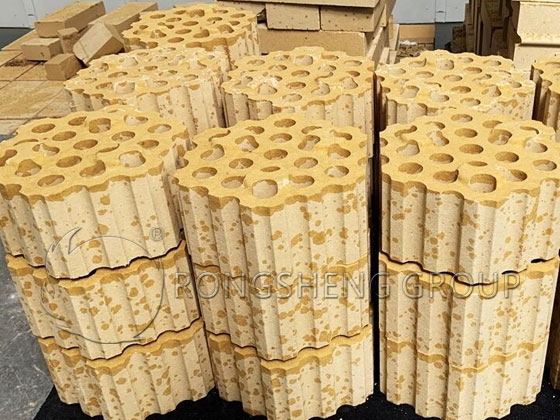
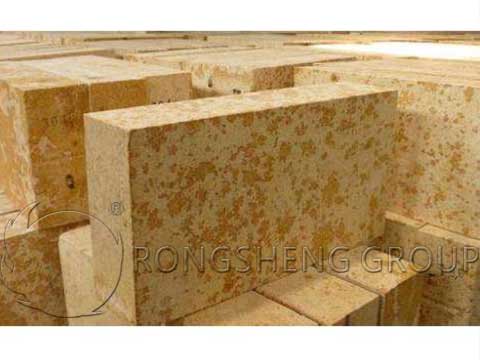
Rongsheng Silica Bricks for Sale

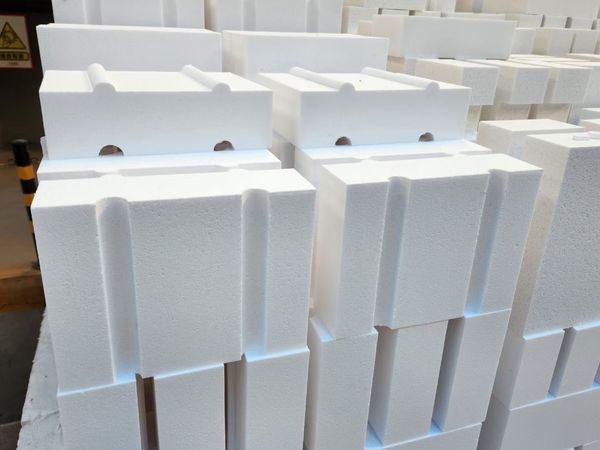
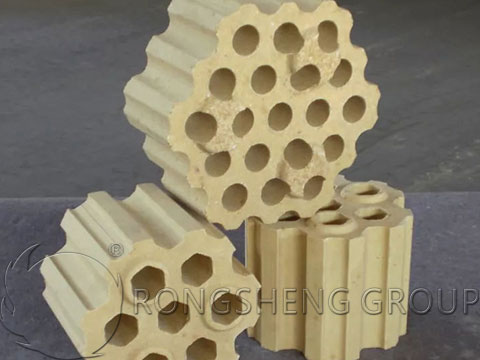
Silica bricks are mainly used for the partition walls of the carbonization and combustion chambers of coke ovens, as well as the roofs or vaults of soaking furnaces, hot blast stoves, acid open-hearth furnaces, and glass kilns. Currently, in ironmaking technology, new technologies such as direct reduction and molten reduction ironmaking are gradually being transformed into productive forces. In the coking industry, a type of “formed coke” produced without a coke oven has been developed, which can replace a portion of traditional coke. With the promotion of these new technologies, the demand for silica bricks will gradually decrease. However, in glass kilns both domestically and internationally, silica bricks still maintain their dominant position in the furnace arch, except for their replacement by other bricks in the regenerator lattice and some breast walls.

Like most sintered refractory bricks, silica bricks are produced using a semi-dry process and fired in tunnel kilns. Cracks during production are one of the main reasons for the high scrap rate. Analyzing the types and causes of cracks in finished silica bricks and strictly controlling the main pressing and firing processes in silica brick production can reduce crack formation and significantly improve product quality.

Types of Cracks in Silica Bricks

Cracks in silica brick products can be classified into surface cracks and internal cracks, the latter also known as lamination. Surface cracks are further divided into transverse cracks, longitudinal cracks, and network cracks. Silica bricks are produced using a semi-dry pressing method to create a dense green body. Cracks generated along the direction of pressure on the brick are transverse cracks, while cracks perpendicular to the direction of pressure are vertical cracks. Network cracks are formed when the surface of a silica brick consists of several cracks arranged in a spiderweb pattern.

Generally, for a standard silica brick, the direction of pressure on the green body is typically the thickness direction. The molding process of silica brick products is essentially a process of condensing the particles within the green body and expelling air, forming a dense green body. After machine pressing, the brick green body has advantages such as high density, high strength, low drying shrinkage and firing shrinkage, and easy control of product dimensions. However, if the machine pressing process is not properly controlled, lamination cracks perpendicular to the direction of pressure can form in the green body during the pressing process. Therefore, the lamellar cracks, or simply layered cracks, inside silica bricks are longitudinal cracks.

Large layered cracks can be detected immediately after the brick blank is formed or dried. However, tiny layered cracks within the brick blank only become noticeable after firing as they continue to propagate under thermal stress during the firing process. Silica bricks containing cracks, especially layered cracks, are prone to breakage, rendering them unusable and reducing the yield of finished silica brick products.

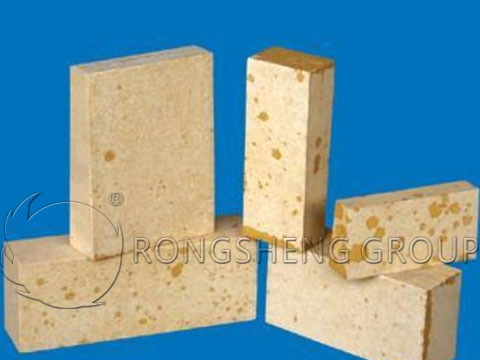
Silica Bricks for the Glass Kiln

Formation and Main Preventive Measures of Cracks in Silica Bricks

  1. Machine Press Molding

Lamination cracks in silica bricks are mainly caused by improper control of the machine press molding process, hence they are sometimes referred to as machine-pressed cracks. Both the raw material and the brick blank of silica bricks are composed of three phases: solid, water or other binders, and air. During the entire machine press molding process, also known as die pressing, the amounts of solid and liquid phases remain unchanged. However, the amount of air in the raw material is compressed and reduced due to pressure, resulting in a corresponding reduction in the volume of the compressed raw material.

During die pressing, the amount of hysteretic expansion of the blank caused by elastic aftereffects must be controlled to below 2%; otherwise, it often results in scrap during the pressing process. If a “layer density” is formed in the blank along the direction of pressure, with a density difference greater than 2%, laminar cracks are easily generated inside the brick blank. This leads to uneven thermal expansion during firing, generating significant thermal stress and forming longitudinal cracks parallel to the density layers, ultimately resulting in scrap.

In compression molding, pressure is used to overcome the internal friction between particles, the external friction between particles and the mold wall, and the deformation of the pressed blank. As the distance from the pressure head increases, the internal pressure of the blank decreases. Based on the expression for the uniformity of the pressed blank:

equation

In equation (1), β represents the uniformity of the pressed blank, P represents the surface pressure of the blank, Pn represents the internal pressure of the blank, L represents the length of the blank, D represents the bearing diameter of the blank, and k is a coefficient related to the physical properties of the blank.

Therefore, when pressing silica bricks, it is advisable to use short molds with a small aspect ratio and avoid using high molds with a large aspect ratio to improve the uniformity of pressure distribution within the blank. Simultaneously, introducing certain plasticizers and surfactants into the blank can reduce internal friction and pressure transmission loss. Improving the surface finish of the mold or applying oil to the mold can reduce external friction of the blank. Double-sided pressing can reduce the L/D ratio of the blank. Multiple pressing methods, starting lightly and gradually increasing pressure, can prevent excessive pressure accumulation within the brick blank and eliminate elastic aftereffects, thereby improving the uniformity of internal pressure and density. This avoids areas closer to the pressure surface having a higher density and areas farther from the pressure surface having a lower density, reducing the formation of layer density defects that can lead to cracks.

Furthermore, silica brick blanks are prepared by mixing aggregates, clinker, ball mill powder, mineralizers, sulfite pulp waste liquor, and plasticizers. Improving the kneading process of the blanks also helps to increase the density of the brick blanks. In terms of material mixing technology, the movement of materials between the same phase is called mixing, the movement between different phases is called stirring, and the operation of mixing high-viscosity liquids and solids is called kneading (kneading and mixing). Through proper kneading, fine powder can coat large particles, effectively remove gas, improve the density of the blanks, and thus reduce the porosity of the brick blanks.

  1. Firing Process

The sintering of silica bricks is essentially a polycrystalline transformation of SiO2. Under the action of a mineralizer, the silica raw material is slowly fired, essentially transforming into tridymite and cristobalite, with only a small amount of residual quartz. When silica bricks are heated to 1450℃ during use, they exhibit a 1.5%–2.2% total volume expansion. This residual expansion ensures tight joint sealing, contributing to the good compactness and structural strength of the silica brick masonry. Furthermore, this polycrystalline transformation of SiO2 dictates that the focus of refractory material monitoring during the early stages of kiln firing should be on silica bricks, with a slow and uniform heating rate. Within the temperature range of 150–300℃, the crystal transformation of β- and α-cristobalite in silica bricks is accompanied by a significant volume effect; therefore, special attention should be paid to slow heating within this temperature range during kiln firing.

The rate and extent of the quartz to tridymite transformation are related not only to the temperature and the presence of the mineralizer but also to factors such as the duration of temperature exposure, the particle size of the raw material, and the crystal size of the transformed phase. Higher temperatures, longer exposure times, smaller particle sizes, smaller crystals, and stronger mineralizing agents result in faster transformations, and vice versa. The main crystalline phases of silica bricks are tridymite and cristobalite. Tridymite has a melting point of 1670℃ and exhibits high volume stability. If the tridymite in the silica brick is distributed in a spearhead-shaped twinning pattern in a network, it can give the silica brick a higher load-bearing softening point and mechanical strength. When there is a large amount of residual quartz in the silica brick, it will continue to undergo crystal transformation during use, resulting in significant volume expansion and potentially causing the brick structure to loosen and crack.

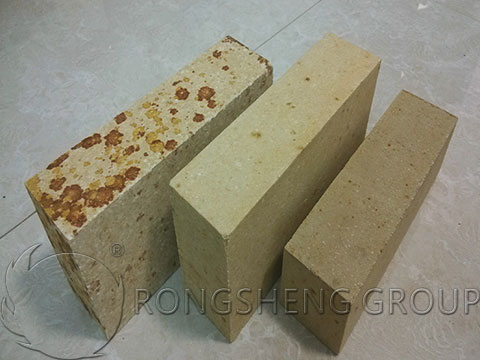
Cheap Silica Refractory Brick for Sale

The physical and chemical changes that occur during the firing process of silica bricks can be summarized as follows:

  • ① Residual moisture in the brick blank is removed at temperatures below 150℃.
  • ② Ca(OH)₂ begins to decompose at 450–550℃, and decomposition is complete at 550℃. At this point, the bond between silica brick particles is broken due to the action of CaO, etc., resulting in decreased strength and brittleness of the brick body.
  • ③ At 550–650℃, β-quartz bricks transform into monoquartz, causing volume expansion.
  • ④ At 600–700℃, a solid-phase reaction occurs between CaO and SiO₂, increasing the strength of the brick body.
  • ⑤ At 800–1100℃, a liquid-phase reaction occurs in the brick blank, rapidly increasing its strength. From 1100℃ onwards, the transformation rate of quartz increases significantly, resulting in a low-density quartz variant with substantial volume expansion.
  • ⑥ At 1300–1350℃, the increased amount of tridymite and cristobalite decreases the true specific gravity of the brick body, and the increased volume expansion may lead to cracking.
  • ⑦ At 1350–1470℃, the degree of quartz transformation and the resulting expansion are significant. Only monoquartz, metastable cristobalite, mineralizers, and impurities interact to form a liquid phase, which intrudes into the cracks that appear in the quartz particles during the formation of metastable cristobalite. This promotes the continuous dissolution of monoquartz and metastable cristobalite in the formed liquid phase, making it a supersaturated melt of silicon and oxygen. Then, stable trichomes continuously crystallize from the melt. At this point, the higher the viscosity of the liquid phase, the faster the transformation rate of the silica brick, and the greater the likelihood of cracks forming in the brick blank.

Therefore, to prevent the formation of cracks due to crystal transformation and large volume changes during the firing process of silica bricks, the following process measures must be taken:

  • (1) Control the heating rate within different firing temperature ranges. The heating rate should be slowed down below 600℃, and accelerated between 600 and 1000℃. The heating rate should be slow between 1100 and 1300℃, and the heating rate should be the slowest during the firing process from 1300℃ to the firing temperature (1430℃ to 1450℃). The silica bricks should be cooled below 600℃ after firing, especially at 300℃. This effectively buffers the volume changes caused by crystal transformation, resulting in higher contents of tridymite and cristobalite, and preventing crack formation.
  • (2) A reducing atmosphere should be used during the high-temperature firing stage, which is beneficial for the mineralization of low-valent iron oxide and promotes the formation of large amounts of tridymite. Otherwise, under an oxidizing atmosphere, especially when the mineralizer is insufficient, α-quartz mostly transforms into α-cristobalite; this transformation is called “dry conversion.” During dry conversion, the uneven volume expansion of the brick body, coupled with the lack of liquid-phase buffer stress, leads to a loose product structure and cracking. Simultaneously, appropriate heat preservation should be carried out at different temperature stages during the firing of silica bricks to ensure a reasonable phase composition that meets usage requirements.
  • (3) Improve the semi-finished product loading process to reduce the probability of cracking. Transverse cracks in silica bricks, i.e., cracks parallel to the pressure direction of the product, are usually caused by uneven heating of different parts during firing. They often appear on the outer surface of the brick stack, especially on the surface of the top layer. Surface network cracks in silica bricks, besides being caused by uneven kneading or changes in raw materials leading to microscopic inhomogeneity in the green body itself, are usually caused by excessively high and fluctuating heating temperatures. When loading the kiln car, special-shaped silica bricks should be placed inside, while standard bricks should be placed outside. The protruding parts or crack-prone areas of the special-shaped bricks should face inwards. The top of the kiln car should be covered with thin brick sheets to prevent direct impact from the flames; otherwise, cracking will increase.

Rongsheng Silica Brick Price

Cracks are one of the main factors affecting the yield and performance of silica bricks. Mastering the pressing and firing processes is crucial to preventing crack formation in silica bricks. The theoretical and actual conversion of silica raw materials differ, requiring real-time adjustments to the firing regime based on changes in raw materials and brick type. The preparation and quality of silica brick blanks are important, even critical, factors. Only by strictly controlling each process step can high-performance silica brick products be produced efficiently and with low consumption. Rongsheng Silica Brick Manufacturer supplies high-quality silica brick products. Contact Rongsheng for free samples and quotations for Silica Brick Price.


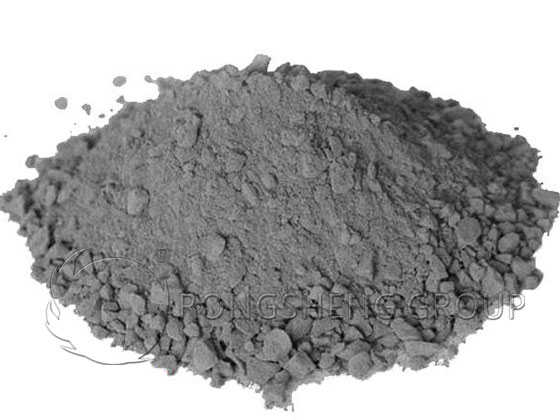
Analysis and Application of Corrosion-Resistant Refractory Castable Technology

Corrosion-resistant refractory castables are composite monolithic refractory materials made primarily from high-alumina raw materials, combined with clay, siliceous, or alkaline auxiliary materials in a scientifically formulated process. Their production utilizes a micronized powder technology enhancement system. By adding activated alumina micropowder (particle size ≤1μm) and silica micropowder (particle size 0.1-0.5μm), along with organic/inorganic composite binders (such as aluminate cement and phosphate), and precisely controlling the amount of water added (typically 5-8%), they achieve high densification. After sintering at 1500-1650°C, the apparent porosity can be reduced to 12-15%, and the bulk density reaches 2.8-3.2g/cm³, creating a dense, impermeable structure.

Corrosion Resistant Corundum Silicon Carbide Castable
RS Corrosion-Resistant Castable for Sale

Application Methods and Performance Advantages of Corrosion-Resistant Refractory Castables

This material exhibits excellent thixotropic flowability (flow value ≥ 180mm) and supports three application techniques:

  1. Vibration Casting: Suitable for conventional structures, with a vibration time of 2-3 minutes.
  2. Self-Leveling: Relying on the material’s own weight to achieve fill, it is particularly suitable for:
    • – Complex structural areas (corners with a radius of ≤ 50mm)
    • – Areas with dense anchorage (spacing ≤ 150mm)
    • – Thin-walled linings (30-100mm thick)
  1. Prefabricated Installation: Special-shaped components can be prefabricated (with a dimensional accuracy of ±1.5mm), shortening on-site construction time by 70% compared to traditional refractory materials. Construction noise levels are reduced by 15dB(A), labor intensity is reduced by 40%, and construction efficiency is increased by 3-5 times. Testing has shown that the material’s flexural strength reaches 6-10MPa at room temperature and maintains 4-6MPa at high temperatures (1400°C).

Key Technical Specifications of Erosion-Resistant Refractory Castables

  1. Impermeability: Tested using ASTM C863, slag penetration depth ≤ 5mm (1400°C x 24h).
  2. Thermal Shock Stability: Strength retention >80% after ≥25 cycles of 1100°C-water cooling.
  3. Corrosion Resistance: In acidic media with a pH of 2 or alkaline media with a pH of 12, the corrosion rate at 1500°C is ≤0.5mm/h.
  4. Workability: Self-flow retention time ≥30 minutes, initial setting time controllable within 60-90 minutes.

Actual application cases demonstrate that in copper smelting furnaces operating at 1650°C, high-chromium composite castables have a service life of 18-24 months, more than three times longer than traditional materials. Through material system optimization and innovative construction technologies, enterprises can reduce refractory material consumption by 35-50%, achieving significant economic benefits.

Practical Steps for On-Site Operation of Refractory Castables

When using refractory castables, the amount of water added is particularly important, but on-site control is paramount.

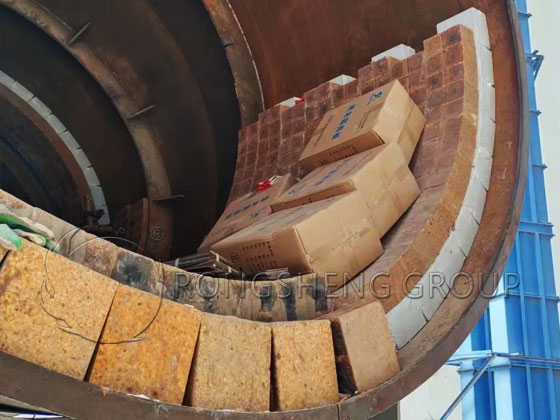
During on-site construction, first clean the mixer to remove any debris. Then, pour the bagged castable into the forced mixer at a rate not exceeding 20% ​​of the mixer’s designated capacity.

Refractory castables are currently packaged in ton bags, which contain 25kg or 50kg bags. Aggregates and binders are packaged separately. When pouring into the mixer, be sure to pay attention to the binder in the plastic bags; do not add it together with the dry refractory castable powder. First, pour the dry mix from the 25kg bag and dry-mix it in the mixer for 1-2 minutes before adding the binder and stirring.

Next, add water and stir. Add 90% of the water according to the manufacturer’s instructions and stir for 2-3 minutes. Add the remaining water as needed. It is best not to add more water if it is not needed, and try to keep the amount as minimal as possible. If you need to add more water, stir it for 3 minutes before use. Remember to stir it with clean water from the tap, and never use rainwater or mountain spring water.

To determine if the amount of water is appropriate, manually shape the mixed clay into balls. Throw the balls about 30 cm high. If the balls deform and continue to deform when caught, the amount of water is correct. If the balls deform and flow out of the gap between your fingers, the amount of water added is too much. If the balls crack and fall apart, the amount of water added is too little. Since the amount of water added directly affects the strength, drying, and service life of the refractory castable, minimize the amount of water added while meeting construction requirements.

Before pouring, remove debris from the mold. Install and secure the furnace shell insulation layer with expansion joint filling material and lay the insulation layer. Fill the mold with the mixed refractory castable and vibrate it with a vibrator. The thickness of the paving should not exceed 1.2 times the length of the vibrator. Gently insert the vibrator into the casting body and vibrate until the surface of the refractory castable is slurry before removing the vibrator.

Vibrate the vibrator for 4-5 minutes at each position. Prolonged vibrating times can cause particle segregation. Pouring should begin at the bottom of the furnace wall and proceed in staggered layers and blocks upwards. Each layer should begin at a corner. During pouring, be sure to prevent the formwork from being squeezed off-center, which can affect construction quality. When pouring the furnace walls, lay a layer of felt paper after each pour of a certain height before continuing.

When pouring the furnace roof, pour the entire thickness in one go; do not pour in layers. The expansion joints in the refractory castable lining should be dimensioned, positioned, and constructed based on the castable’s expansion rate. Generally, an 8mm-10mm expansion joint is left approximately every two meters, and the joint should be vertically continuous. During construction, secure the filler plate within the expansion joint. Leave one or two 2mm-wide expansion lines between each expansion joint.

When the furnace roof is cast with anchor bricks, pour until the surface is approximately 2 cm above the bottom surface of the anchor bricks before attaching the anchor bricks. This ensures a tight bond between the bottom of the anchor bricks and the castable. If using self-flowing castables, avoid prolonged vibration during construction; simply use a vibrator or stir briefly with a wooden stick.

During winter construction, the ambient temperature should not drop below 5°C. The added water can be heated to no more than 50°C, and the mixing time should be appropriately extended. After pouring, refractory castables must be cured. If the temperature drops below 5°C, take measures to keep warm. The refractory castables can only be removed from the molds after curing. When removing the molds, remove all wooden forms to prevent the wood from burning during furnace heating, causing the castable surface to peel and crack.

Insulation of Cement Kiln Firing System – Reducing Heat Loss

Cement kiln burning system consumes a lot of energy. Do this: The thermal insulation performance is 4-6 times that of ordinary products, reducing heat loss! RS Kiln Refractory Company has rich experience in energy conservation and thermal insulation of cement rotary kilns, saving production costs for enterprises.

Insulation of Cement Kiln Firing System

Insulation of Cement Kiln Firing System

The energy consumption of cement kiln firing system is relatively large, and traditional insulation materials can no longer meet the needs of thermal insulation and energy saving of firing system. In order to reduce heat loss and increase thermal efficiency, high-performance insulation materials must be set in the lining design to reduce the temperature of the cylinder and reduce heat loss.

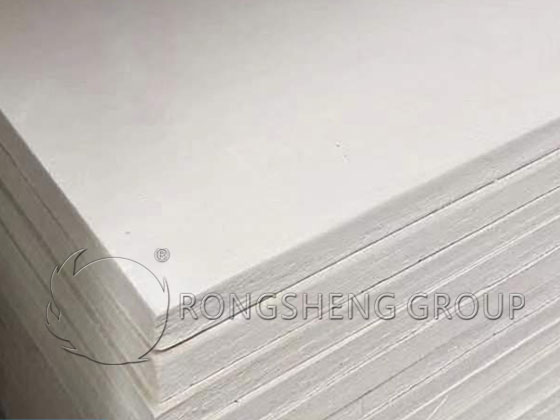
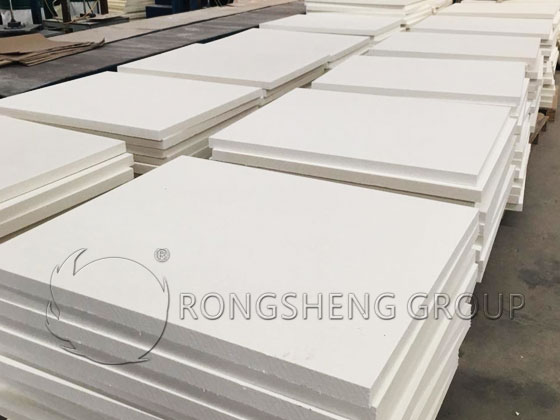
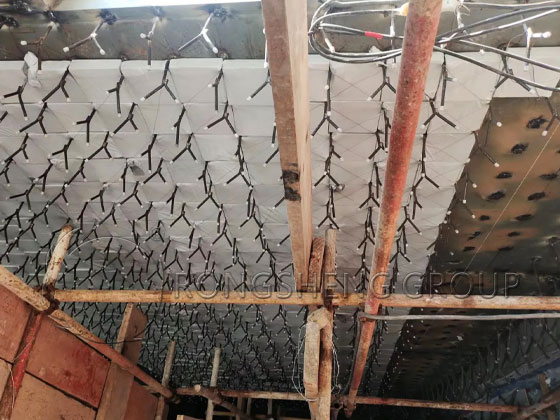
Nano insulation board is a new type of thermal insulation material made of silica particles with a diameter of tens of nanometers, infrared reflective materials and fibers, etc., through a series of processes. It contains a large number of nano-scale micropores, which makes it have excellent thermal insulation effect. Nano insulation board is also called nano insulation board, nano insulation board, low-dimensional nano insulation board, nano composite insulation board, nano microporous insulation board, etc. It is suitable for preheater, decomposition furnace, flue gas chamber, grate cooler, tertiary air duct, kiln head cover and other parts.

Product Features of Nano Thermal Insulation Board

  • Low thermal conductivity and good stability, the thermal conductivity changes very little with the increase of temperature.
  • Dust-free construction, convenient for on-site processing and cutting.
  • The strength increases with the increase of temperature, and it will not powder after long-term use.
  • Non-toxic and environmentally friendly.

Working principle of nano thermal insulation board

  1. Prevent the thermal motion of gas molecules and reduce heat conduction

According to the theory of molecular thermal motion, the transfer of gas heat is mainly through the collision of molecules with higher speed on the high temperature side and molecules with lower speed on the low temperature side, and heat is transported step by step. Nano thermal insulation board uses nano-scale particle structure to increase the heat propagation path and establish a series of barriers in the direction of temperature gradient, and make the barrier distance less than the mean free path of gas molecules. Moreover, the barrier is a pore that is closed and close to vacuum state, which will effectively prevent the thermal motion of gas molecules.

  1. Reflection of thermal radiation

Nano thermal insulation board adds nanomaterials that can reflect thermal radiation, which can more effectively reduce the thermal conductivity of the product and is an excellent thermal insulation material.

Nano Insulation Board Used in Cement Kiln

Importance of Cement Kiln Insulation

  • Reduce energy consumption: Cement kilns generate a lot of heat during operation. If the insulation effect is not good, a lot of heat will be lost to the outside, resulting in energy waste. Good insulation can reduce heat loss, improve energy efficiency, and reduce production costs.
  • Protect equipment: Cement kiln cylinders and other equipment are easily affected by thermal stress in high temperature environments, leading to deformation, cracking and other problems. Insulation materials can reduce the surface temperature of equipment, reduce thermal stress, and extend the service life of equipment.
  • Improve the working environment: Effective insulation can reduce the temperature of the surrounding environment of the cement kiln, provide operators with a more comfortable working environment, and reduce the impact of high temperature on personnel health.

The company’s manufacturers have introduced and absorbed advanced technologies from home and abroad, independently developed production equipment suitable for domestic use, and truly realized the practical application of nano-microporous thermal insulation materials. The production equipment and process draw on mature foreign technologies, with high production efficiency and stable product quality. It can produce a full range of standard products of nano-thermal insulation materials with an annual output of 10,000 cubic meters. The thermal insulation performance of the product is 4 to 6 times that of ordinary thermal insulation materials. It is the best-performing new nano-material that can be used on a large scale for thermal insulation of high-temperature kilns.

According to successful application cases, micro-nano thermal insulation boards are used on stationary equipment at the end of cement kilns due to their excellent thermal insulation performance. Under the same thermal insulation thickness, the effect of significantly reducing the shell temperature by 20 to 30°C can be achieved, which can save more than 30% of heat dissipation losses.

When the firing system needs to expand its volume, a 25 mm micro-nano thermal insulation board can replace a 100 to 115 mm calcium silicate board to achieve the effect of expanding the net space of the equipment by 75 to 90 mm. Keep the surface temperature of the high-temperature equipment unchanged, the original energy consumption does not increase, and the output of the equipment is greatly increased.

The use of 15 mm micro-nano insulation board in the transition zone and preheating zone of the rotary kiln can reduce the shell temperature of the rotary kiln by 70-100°C, reduce the heat dissipation loss by more than 42%, and achieve significant energy-saving effects. If the entire rotary kiln is insulated with nano-insulation materials, in addition to significantly reducing the shell temperature of the rotary kiln, the ellipticity deformation of the rotary kiln shell can also be greatly reduced, which is beneficial to extend the service life of the refractory materials. At the same time, it can significantly reduce the amount of coal used at the kiln head, reduce the amount of nitrogen oxides generated at high temperatures in the rotary kiln, and thus reduce the amount of ammonia water used for denitrification, which has a positive environmental protection effect.

In summary, the excellent thermal insulation performance of micro-nano insulation materials provides a new thermal insulation material for energy saving and consumption reduction, capacity expansion and production increase, and green environmental protection transformation in the cement industry, and makes a beneficial contribution to the technological progress of the cement industry.

Why do Refractory Plastics Need to be Trapped?

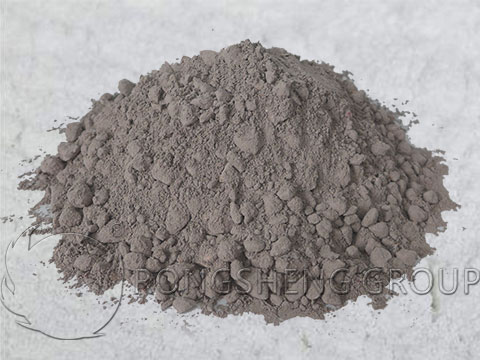
RS refractory plastic manufacturer, how many types of refractory plastic are there? Refractory plastic is divided into different materials such as clay, high alumina, aluminum carbide silicon, silicon, magnesium, etc., and the binder includes different types of binders such as water glass and phosphoric acid. In the types actually used, phosphoric acid binder is relatively more used. However, the refractory plastic combined with phosphoric acid binder must be trapped, and the trapping time must not be less than 18-24 hours.

RS High Quality Plastic Refractory

Reasons for Trapping Refractory Plastics

The reason why refractory plastics need to be trapped is that there are certain impurities in the raw materials of plastics, which react with phosphate binders. After the reaction, a large amount of gas will be formed, which will cause the internal expansion of the plastic, resulting in a loose structure of the material and a decrease in strength after hardening. The purpose of trapping is to allow the gas to be fully discharged after a period of time. After the gas is discharged or during construction, the remaining binder is added, so that the use function of the plastic can be fully utilized.

If it is a plastic combined with water glass, the binder can be added during on-site construction. At present, due to technological innovation, refractory plastics are squeezed into small cubes by an extruder before use, packaged in plastic bags for storage, and can be opened for use when used, so there is no problem of trapped materials. Because the materials have been trapped during the storage process. This type of production extrusion is generally only used for export products.

Refractory plastics are not extruded for domestic use. A part of the binder is added during the production process, and the material is trapped during the transportation process. When using, open it and add the remaining binder to mix it, and it can be used directly. But it should be noted that the time must be controlled within 18-24 hours. If it is a short-distance transportation, just control the time and use it. Trapping the material on site delays labor. If the material is trapped first, there is no need to trap the material on site, which saves time and meets the construction needs.

Corundum Plastic Refractory

How Can Refractory Plastic be Constructed to Achieve Zero Expansion?

Refractory plastic is easy and quick to construct, and the use state is stable. If you want to achieve zero expansion of plastic, you need to adopt a zero expansion design to offset the expansion and contraction of plastic at high temperature.

Plastic has a certain plasticity at high temperature. Zero expansion of plastic means that it can withstand drastic changes in furnace temperature and resist frequent shutdowns and temperature increases. The mold can be removed immediately after the plastic is constructed. If it is for maintenance, it does not need to be baked and can be put into use directly as the furnace temperature rises.

However, during construction, attention should be paid to the mold drawing construction to ensure that the deformation of the steel structure and the lining furnace is synchronized. In addition, the anchor bricks must be evenly stressed to avoid breakage and collapse during use.

Zero expansion design of refractory plastic

Zero expansion design means that during construction, the mold is first set up to ensure that the construction site is clean, and then the refractory plastic blank is laid on the ramming site. Only a single layer of material can be laid each time, and the hammer head is downward, and the plastic is moved back and forth to make it flat and dense. If the construction reaches the anchor brick, the ramming surface of the refractory plastic should be 16 to 20 mm higher than the bottom surface of the anchor brick. Put the wooden mold on the anchor brick, straighten it and hammer it to make a tooth mark, and the plastic around the anchor brick should be rammed densely.

The construction of refractory plastic should be laid and rammed layer by layer, and each layer should be scraped to keep the same height as the construction surface. If there is a break in the ramming of plastic, the rammed surface should be covered with plastic cloth. If it snows, the surface of the material should be shaved. When the construction is interrupted for a long time, the joint should be left between the two rows of anchor bricks.

Corundum Plastic Refractory

Description of the Plastic Refractory Used on Furnace Roof

If plastic refractory is used on furnace roof, the force direction of hammer head should be horizontal when ramming, and the material surface joint and furnace roof working surface should be vertical. The peeling layer and material surface joint should not overlap during production. Plastic should be rammed from the material joint on furnace roof. During construction intervals, cut the material vertically into right angles to the furnace shell and cover it with plastic cloth to prevent water loss. Before anchoring bricks or hanging bricks, wooden mold bricks with the same tooth shape should be used to tighten and drive into plastic. After the tooth mark is formed, the anchor brick is embedded and tightened.

After plastic construction, the mold should be removed as soon as possible to dissipate the moisture. When trimming, the plastic around the end of the anchor brick is gently tapped with a wooden hammer or a ramming hammer to make it fit tightly. Trimming includes scraping, piercing air holes or cutting expansion joints.

During construction, refractory plastic cannot come into contact with water; when constructing castables in contact with plastic, waterproofing of plastic is also required; the formwork should be removed as soon as possible before baking to allow the masonry to dry naturally.

Due to the “zero expansion” design of refractory plastic, cracks and expansion areas of the masonry after drying and baking are filled with refractory fibers. To prevent the furnace lining from catching fire and smoking at low temperatures, the cracks and expansion joints will close at around 1350℃.

What is the Effect of the Size of Refractory Plastic Particles when Used?

The particle size of refractory plastic has an effect on construction, but has no effect on use. On the contrary, plastic with large particles will have a longer service life. However, it should be noted that there are still requirements for particles in special parts, especially those that are difficult to construct. The main reason is that if the particles are large, it is not easy to ram and construct, and the construction efficiency is low when the particles are too large. However, if the particles do not exceed 10mm, as long as the construction can go smoothly, there will be no problem in use. And the service life is longer than that of plastics below 3mm.

Plasticity index of refractory plastic. The plasticity index of refractory plastic is 15-40%. If the plasticity index is lower than 15%, the plastic will be too hard and cannot be constructed. However, if the plasticity exceeds 40%, the material will be too soft. Neither too hard nor too soft are not easy to construct, and they are not dense when rammed. The most suitable state of the refractory plastic index is that it can be kneaded into a ball by hand, without water seepage or stickiness.

Refractory plastic has its own characteristics. Generally, the strength at room temperature is low, the strength at medium temperature does not decrease, the strength at high temperature is high, and the thermal shock and peeling resistance are good. However, the rammed lining during construction must be welded with anchors or supports to improve the performance of refractory plastic and extend its service life.

In short, whether the refractory plastic is trapped on site during construction or the manufacturer adds binders to trap the material, the particle size does not affect the use. On the contrary, the production process ratio of larger particles will have a longer service life than the refractory plastic with smaller particles.

Six Outstanding Advantages of Rongsheng Fiber Reinforced Calcium Silicate Board

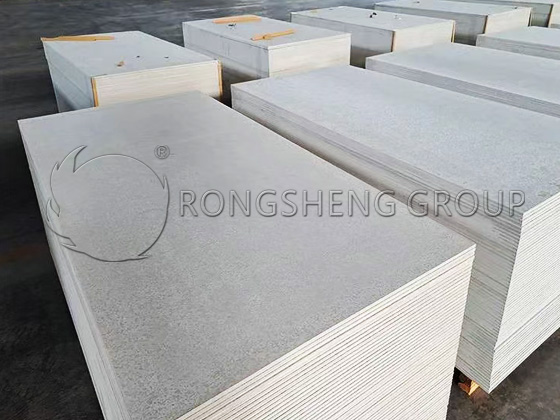
Rongsheng non-asbestos fiber-reinforced calcium silicate board: based on siliceous and calcium materials (tobermorite generated under high temperature and high pressure), fiber-reinforced, must be autoclaved and cured. Fiber-reinforced calcium silicate board is a high-performance, green, and environmentally friendly building material. Its composition, performance and application are as follows:

Composition of Fiber-Reinforced Calcium Silicate Board

  1. Main materials: Siliceous materials (such as quartz powder, fly ash, diatomaceous earth, rich in SiO₂) and calcium materials (such as lime, calcium carbide mud, cement, rich in CaO) are the main cementing materials.
  2. Reinforcement materials: Loose short fibers such as inorganic mineral fibers or cellulose fibers are used as reinforcement materials.
  3. Manufacturing process: Calcium silicate board with mullite (C₅S₆H₅) crystal structure is generated through pulping, molding, high temperature and high pressure steaming and other processes.
Rongsheng Fiber Reinforced Calcium Silicate Board

Performance of Fiber-Reinforced Calcium Silicate Board

  1. Fireproof performance‌: non-combustible A-grade material, does not burn in case of open flame, does not produce toxic smoke, and has a fire resistance limit of more than 90 minutes‌.
  2. Waterproof and moisture-proof‌: stable performance in high humidity environments, not easy to expand or deform, suitable for bathrooms, toilets and other places‌.
  3. ‌Strength and durability‌: high strength, 6mm thick board strength exceeds 9.5mm thick gypsum board, and is not easy to crack or deform‌.
  4. Sound insulation and heat insulation‌: has good sound insulation and heat insulation performance, and the 10mm thick partition wall is better than an ordinary brick wall‌.
  5. Environmental protection‌: non-toxic and harmless, in line with green building materials standards‌.

Application of Fiber-Reinforced Calcium Silicate Board

  1. Construction field: used for interior wall panels, exterior wall panels, ceiling panels, curtain wall lining panels, and composite wall panels.
  2. Industrial field: used as ship bulkhead panels, warehouse shed panels, tunnel siding panels, fireproof ventilation ducts, etc.

Six Outstanding Advantages of Rongsheng Fiber-Reinforced Calcium Silicate Board

  1. Fireproof and flame retardant: It reaches non-combustible A1 fireproof, flame retardant and heat-insulating, and does not produce any harmful gases.
  2. Waterproof and corrosion-resistant: Calcium silicate board has super high waterproof and moisture-proof performance, and is also suitable for high temperature and high humidity spaces.
  3. Super high strength: The strength of 6mm thick calcium silicate board is much greater than that of 9.5mm thick gypsum board, with good wear resistance, not easy to be damaged or cracked, and not easy to deform.
  4. Super long life: Inorganic material, stable performance, acid and alkali resistance, corrosion resistance, moisture resistance, moth resistance and termite resistance, and mission life is much longer than gypsum board.
  5. Energy saving and environmental protection: The thermal insulation effect is better than gypsum board, and it can significantly save energy when used in construction. Good sound insulation effect, no dust, asbestos, formaldehyde, etc., to achieve zero environmental pollution.
  6. Strong decorative effect: The material performance is stable, the temperature deformation is small, the decorative surface style is diverse, it can be customized, fashionable and beautiful.

The material properties of Rongsheng’s asbestos-free reinforced calcium silicate board are determined by chemical reactions (silicon calcium generates tobermorite at high temperatures). Its curing process must be autoclaved. Physical properties: lightweight, good insulation, and resistance to high-temperature deformation. Main uses: indoor fireproof partitions, suspended ceilings, etc. Advantages: Class A fireproof, water-resistant, and moisture-proof, environmentally friendly, and safe.

Calcium silicate board is more suitable for indoor fireproof and heat insulation scenarios. The key to choosing the right board is the application environment and performance requirements! Contact Rongsheng for free samples and quotes.

The Difference between Heat Insulation Materials and Thermal Insulation Materials

Strictly speaking, the concept of thermal insulation refers to the change of thermal energy of the object of concern (such as equipment, buildings, etc.), while the concept of thermal insulation, heat insulation, or thermal insulation refers to the heat flow or heat transfer of the heat source. Thermal insulation materials refer to materials that can block the transfer of heat flow, also known as thermal insulation materials (but not the same as thermal insulation materials). Thermal insulation materials can be divided into three categories: void heat insulation materials, heat reflective materials, and materials with both void heat insulation and heat reflective properties.

RS Ceramic Fiber Insulation Materials

Insulation Materials

Insulation materials are materials or material complexes that are not easy to conduct heat and have significant resistance to heat flow. Their characteristics are: light weight, looseness, porosity, heat preservation, cold preservation, heat insulation, sound absorption, and sound elimination. Generally speaking, insulation materials include the first and third categories of materials mentioned above. Insulation materials can be divided into organic insulation materials (or organic thermal insulation materials) and inorganic insulation materials (or inorganic thermal insulation materials).

In industry idioms, insulation materials often refer to insulation materials suitable for temperatures below 600-700℃. In addition, the industry also refers to insulation materials suitable for low-temperature environments as “cold insulation materials”. Insulation materials suitable for high-temperature environments above 600-800℃ are called “refractory insulation materials“. Insulation materials have lower requirements for thermal conductivity values.

Insulation materials are often referred to as “thermal insulation materials” by people. Here, people do not strictly distinguish the subtle differences between different concepts.

The refractory industry and other industries often use the words “insulation” and “thermal insulation” to refer to lightweight and poorly conductive materials. However, the two are not used consistently and deserve to be reconsidered and unified. In the refractory industry, before the mid-1980s, “insulation materials” and “thermal insulation materials” were used interchangeably. Since then, the term “thermal insulation materials” has been gradually unified, so RS Kiln Refractory Factory will focus on the difference between thermal insulation and heat preservation below.

What is the Difference between Thermal Insulation and Heat Insulation?

  1. The concept of thermal insulation board and heat preservation board

Thermal insulation board refers to a board used to isolate heat transfer, generally referring to a board with a thermal conductivity of less than or equal to 0.065W/m•k, such as foam glass, polystyrene board, etc.

Thermal insulation board refers to a reasonable engineering material used to maintain the temperature inside and outside the building. It is usually made of materials with a thermal conductivity of less than or equal to 0.12W/m•k, such as extruded board, mineral wool board, etc.

  1. Differences between insulation board and heat preservation board

(1) Material properties

The thermal conductivity of insulation board is lower than that of heat preservation board, and the density of heat preservation board is higher than that of heat preservation board. Heat preservation board is generally a porous material with good air tightness, which can block water vapor penetration to a certain extent, but its bearing capacity for gravity load and wind pressure load is poor. The material used for heat preservation board is relatively hard, with high strength, and can withstand greater pressure.

(2) Application

Thermal insulation board is mainly used for moisture-proof, mildew-proof, anti-corrosion, fire-proof and sound-proof, and is also suitable for roof and wall insulation of industrial buildings and high-end residential buildings. The role of heat preservation board is more to improve the living environment of residential buildings, and is mainly used in the fields of exterior wall insulation, roof insulation, cold storage insulation, etc.

(3) Construction method

Thermal insulation board is mostly constructed by pasting, such as binding with polyurethane foam adhesive. It is generally more convenient to directly paste it with brick wall to achieve insulation. The insulation board needs to be installed by hanging, which is more troublesome, especially in high-rise buildings where construction safety issues need to be considered.

  1. Applicable situations

If the building needs to be moisture-proof, mildew-proof, anti-corrosion, fire-proof, sound-proof, etc., it is suitable to use insulation boards. Such as industrial buildings and high-end residences such as pharmaceutical factories, chemical plants, and food factories. If you need to improve the residential living environment, insulation boards are the first choice. It can effectively increase the temperature of the room and keep the indoor temperature stable, thereby reducing energy consumption.

Aluminate Cement and Aluminate Refractory Castable

Aluminate cement and aluminate refractory castables. aluminate cement (Al2O3 65~70%, CaO 21~24% low iron type). RS Kiln Refractory Manufacturer is a refractory material manufacturer with rich production and sales experience. RS manufacturer is committed to providing high-quality and long-life refractory lining materials for high-temperature industrial furnaces. Contact Rongsheng for a free quote.

Rongsheng Calcium Aluminate Cement - High Alumina Cement
Rongsheng Calcium Aluminate Cement – High Alumina Cement

Aluminate Cement

Aluminate cement is a refractory cement, which has many names: refractory cement, 625 cement, high alumina cement, CA-50 cement, etc. It has a wide range of applications. In many refractory concretes, aluminate cement is an indispensable refractory binder.

Aluminate cement is a special cement with weak alkaline calcium aluminate as the main component. It is a hydraulic cementitious material made of bauxite and limestone as raw materials, calcined and made of clinker with calcium aluminate as the main component and about 50% alumina content.

The use temperature of aluminate cement can reach 1350℃. If it is mixed with high-alumina aggregate and other refractory materials in proportion to form a refractory castable, the refractory temperature can reach 1700℃.

Aluminate cement can be divided into CA-50 and CA-70 (also called calcium aluminate cement, white) according to the aluminum content. It is a hydraulic cementitious material with fast hardening, early strength, corrosion resistance and high temperature resistance. Aluminate cement is yellow-brown or gray and is widely used in metallurgy, machinery, building materials, petrochemicals, electricity, food and other industries.

Introduction to the uses of aluminate cement

  1. Used to prepare refractory castables and kiln linings.
  2. Suitable for projects that resist sulfate erosion.
  3. Suitable for concrete projects that require rapid hardening and emergency repair projects.
  4. Suitable for winter construction and special projects that require early strength.
  5. Used as raw material for making water purifiers (calcium aluminate powder).
  6. Used as the best raw material for making decorative materials (such as artificial marble, colored road tiles, colored corrugated tiles, etc.).
  7. It is an important component for preparing expansive cement, self-stressed cement and other special cements.
Rongsheng High Alumina Castables Refractory

Aluminate Refractory Castables

Aluminate Refractory Castables are an important amorphous refractory material, widely used in industrial kilns such as metallurgy, building materials, petrochemicals, and electric power. It consists of refractory aggregate, powder and binder (such as aluminate cement), which is mixed by adding water or other liquids and has good construction performance and high temperature performance.

Aluminate Refractory Castables Aluminate cement is the key binder in aluminate refractory castables. The type and amount of aluminate cement have a significant effect on the performance of the castable. For example, an increase in the amount of CA-50 cement will increase the compressive strength at room temperature, but the compressive strength will decrease after burning at 1200℃, the refractoriness and load softening temperature will also decrease, and the linear shrinkage after burning will also increase. When preparing aluminate refractory castables, in addition to the amount of cement, the amount of water is also a key factor. An increase in the amount of water will lead to a decrease in performance, so the amount of water in the mixture should be minimized to ensure construction and workability. The selection of refractory powder and aggregate will also have an important impact on the performance of castables. Refractory powder can improve the refractory performance of castables, while the type, grade, maximum particle size and particle grading of aggregates are the main factors affecting the performance.

The use of aluminate castable admixtures is also an important means to improve the performance of aluminate refractory castables. Water reducers can improve the fluidity of castables and reduce water consumption, and coagulants and retarders can adjust the setting time of castables. Sintering agents and expansion agents can improve the medium-temperature strength of castables and compensate for shrinkage at high temperatures.

Aluminum Electrolytic Cell in Smelting Industry – Refractory Masonry at the Bottom of the Cell

Masonry of the bottom of aluminum electrolytic cells in the smelting industry. After the tank shell inspection is passed, the longitudinal and transverse center lines of the tank are measured and mapped. Determine the reference point for the masonry trench bottom according to the flatness of the trench bottom plate. At this point, use a level to lay out the baseline for each layer of brickwork, and find the center line of the cathode steel rod and window installation according to the requirements of the drawing. Make sure the cathode steel rod is located in the center of the slot shell window U. Draw lines for masonry trough. Asbestos boards, insulation boards, and thermal insulation bricks are dry-laid, while refractory bricks are wet-laid.

Laying of insulation products at the bottom of the trough

The laying of insulation products at the bottom of the trough includes the laying of asbestos boards, insulation boards, and insulation bricks, all of which are dry-laid.

When laying boards and bricks, they should be laid from the horizontal center of the trough to both sides, without laying through seams, and lightly tightened with a wooden hammer. The boards and bricks are cut with a saw, and all gaps in each layer are filled with alumina powder. The gaps around the boards, bricks and troughs are filled with dry anti-seepage materials or refractory particles and compacted. When the insulation board is damaged, it must be reprocessed by sawing, and its specifications must be 2/3 of the design. Local processing of insulation boards is also allowed according to the deformation of the bottom of the trough, but the processing thickness shall not exceed 10mm. When laying each layer of bricks, the seams should be staggered and the gap should be less than 1mm.

Refractory brick masonry at the bottom of the trough

After laying a layer of alumina powder or refractory particles on the surface of the insulation bricks according to the design requirements, use a line board to lay the surface bricks layer by layer, make a long hanging line board, and carve vertical brick lines on its upper surface. When laying bricks, use the line board clamps on the brick layer to be laid, and use the line hammer to hang the lines on the line boards on both sides. In this way, the thickness and longitudinal arrangement of the bricks are controlled, ensuring accurate masonry. Hanging wire at the bottom of masonry trench.

The mortar joint fullness of refractory bricks is greater than 90%, the top joints, side joints and horizontal joints are all built according to the design requirements, and the gaps around the masonry are filled and compacted with refractory particles. After the masonry is completed, clean it up, check it according to the pre-drawn reference line, and measure 9 points on the masonry surface. If problems are found, they should be dealt with until the standards are met. The surface flatness requirement is no more than ±2mm.

Construction of dry anti-seepage material at the bottom of the trench

Before laying dry anti-seepage material on the insulation bricks, first make a special steel template of a certain height according to the compression ratio calculated in advance, and use it in conjunction with a scraper. Generally, dry anti-seepage materials are compacted in two layers. After the first layer of material is added to the calculated height and leveled with a scraper, plastic film and 1mm thick cold-rolled steel plate or plywood are placed on the material. To prevent dust during tamping, use a special reciprocating sand and gravel rammer, tamping about 6,500 times per minute, and tamping is carried out according to the designed route and number of times. After the first layer is completed, check whether the compaction height of the anti-seepage material reaches its compression ratio. If it is qualified, lay the second layer. Use the same method to compact the anti-seepage material to the designed elevation. After compaction is completed, 9 points on the surface of the anti-seepage material are measured and checked according to the pre-drawn reference line. If part of it exceeds the standard, it can be repaired to make the levelness reach ±4mm to ensure the installation size of the cathode carbon block.

Rongsheng refractory material manufacturer can provide refractory lining materials for high-temperature industrial furnaces. Moreover, Rongsheng Manufacturer and professional construction team can provide refractory furnace lining construction services. Contact Rongsheng for more information.

Why is the Expansion Coefficient of Silica Bricks So Large?

The main component of silica bricks is silica, and polycrystalline transformation will occur during the production process, so the expansion coefficient of silica bricks is large.

The characteristics of silica bricks are high load softening temperature, but low thermal shock stability and lower refractoriness than general high-alumina bricks. Silica bricks have a volume expansion rate of 1.5~2.2% at a use temperature of 1450℃. Even when silica bricks are produced, the molds must be appropriately scaled according to the expansion coefficient. Leave space for expansion to make the size of silica bricks more accurate.

Rongsheng Silica Bricks for Sale

When silica bricks are produced, the transformation between quartz, tridymite, and cristobalite in the raw materials will destroy the original crystal structure and rearrange the structure. Because the activation performance is large during the firing process, the transformation temperature is high but slow, which produces a large volume expansion effect.

The silicon bricks have little solution formed at the firing temperature and are difficult to fire. A series of physical and chemical changes that occur during the firing process of silicon bricks will cause the size of silicon bricks to increase.

The temperature of silicon bricks changes greatly during the firing process: residual water is discharged from the bricks at 150°C, decomposition begins at 450°C, and dehydration is completed at 450~500°C. There will be a 0.82% volume expansion in the range of 550~650°C, and the solid phase reaction begins between 600~700°C, and the strength of the bricks increases. At 1100°C, the transformation rate of quartz increases, but the specific gravity of the bricks begins to decrease. At this time, the volume of the bricks increases due to the transformation of quartz into a low-specific gravity variant. Cracks will occur in silicon bricks in the range of 1100~1200°C.

The volume of silicon bricks changes during the heating process, at different temperature steps. The changes of silica are divided into 600°C, 600~1100°C, 1100~1250°C and above 1250°C. At 500~600℃, expansion occurs. At 700~800℃, there is micro-contraction. At 1000~1100℃, the contraction is greater. At 1200℃, the quartz transformation accelerates and the body begins to expand violently. The expansion range is different according to the expansion coefficient of different raw material types.

The biggest disadvantage of silica bricks is low thermal shock stability and low refractoriness, but high refractoriness under load. It is suitable for use in kiln linings in acidic atmospheres. To purchase high-quality silica bricks and zero-expansion silica bricks, please contact Rongsheng for free samples and quotes.

Effect of Barite Powder on the Strength of High Alumina Cement – High Temperature Cement

High alumina cement, also known as aluminate cement, has the advantages of high early strength, high-temperature resistance, and strong resistance to sulfate corrosion. In recent years, due to the rapid growth of the early strength of high alumina cement, early de-moulding, and tight construction schedules, the number of projects using high alumina cement to prepare concrete has continued to increase. However, the later strength of high alumina cement is unstable, and there is great controversy about its application in engineering. Studies have shown that the use of ultrafine powder as a mixture of high alumina cement can improve the later strength of high alumina cement.

Castable Refractory Cement
Rongsheng Castable Refractory Cement

Effect of Barite Powder on the Strength of High Alumina Cement

Baryte powder, commonly known as barite, is a naturally formed white inorganic salt and a neutral filler. Its relative density is 4.16, and it has the characteristics of light resistance and corrosion resistance, low oil absorption value, opaque to ultraviolet rays and X-rays, and radiation protection. Using natural mineral barite as an additive for aluminate cement can reduce the water requirement of the standard consistency of aluminate cement, improve the strength of cement, reduce the later strength regression, and not reduce the refractoriness of cement.

Adding an appropriate amount of barite powder admixture to high alumina cement can not only improve the early strength of high alumina cement but also inhibit the later strength shrinkage of high alumina cement. The appropriate amount of barite powder can promote the hydration of high alumina cement. The main reason why barite powder inhibits the later strength shrinkage of high alumina cement is that it inhibits the crystal transformation of CAH10 and C2AH8 to C3AH6 in the hydration products of high alumina cement. It should be noted that excessive addition of barite powder may cause the strength of high alumina cement to decrease. Therefore, in practical applications, it is necessary to make adjustments according to specific circumstances.

In general, the effect of barite powder on the strength of high-aluminum cement is a complex issue that requires comprehensive consideration of multiple factors. Future research can further explore the optimal addition amount of barite powder and the differences between different types of high-aluminum cement to better play the application value of barite powder in high-aluminum cement.

What is High-Temperature Resistant Cement? Aluminate, High Aluminum, Refractory

Rongsheng refractory cement sales. Rongsheng high-temperature cement, has many aliases, aluminate cement, high aluminum cement, high strength refractory high temperature resistant cement. It is a special cement that maintains good performance in high-temperature environment. It has high compressive strength, heat resistance, chemical corrosion resistance and low thermal expansion coefficient. It is suitable for engineering projects in harsh environments such as slag, high-temperature gas and chemically corrosive substances. Contact Rongsheng for a free quote.

Rongsheng Calcium Aluminate Cement - High Alumina Cement
Rongsheng Calcium Aluminate Cement – High Alumina Cement

High-temperature resistant cement is mainly used in high-temperature industrial fields such as metallurgy, petrochemical, and electric power. As well as the construction and maintenance of high temperature facilities such as furnaces, chimneys, smelting furnaces, and chemical equipment. Rongsheng high-temperature resistant cement, aluminate cement, refractory cement, high aluminum cement.

The main characteristics of high-temperature resistant cement are as follows:

  1. High-temperature resistance. The sintering temperature of high-temperature resistant cement is as high as 1300-1600 degrees Celsius. It can maintain stable performance in a long-term high-temperature environment and is suitable for various high-temperature facilities and equipment.
  2. High compressive strength. High-temperature cement has high compressive strength, can withstand large mechanical loads, and is suitable for high-strength and high-pressure engineering applications.
  3. Good chemical corrosion resistance. High-temperature resistant cement has good corrosion resistance to a variety of acid, alkali, salt and other chemical media, and can maintain a long service life in harsh chemical environments.
  4. Low thermal expansion coefficient. High-temperature-resistant cement has a low thermal expansion coefficient, can adapt to thermal expansion and contraction in high-temperature environments, and reduces the generation of cracks.
  5. Excellent fire resistance. High temperature-resistant cement has good fire resistance, can effectively prevent the spread of fire, and improves the fire safety performance of buildings.

Detailed Explanation of Ingredients and Process of High-Strength Sulphoaluminate Cement

Take the production of 100 kg of high-strength sulphoaluminate cement as an example. Among them, sulphoaluminate cement clinker: 76 kg; silica fume: 9 kg; dihydrate gypsum: 10 kg; lithium carbonate 1 kg, calcium hydroxide 2 kg and aluminum sulfate 1.5 kg; retarder: 0.5 kg. Weigh the raw materials of each component according to the above mass percentage. After mixing evenly, grind them together to a fineness of 360m2/kg specific surface area to make a finished cement product.

Sulphoaluminate cement. The high-strength sulphoaluminate cement produced by this method has a simple production process, is easy to implement and has low cost. It can effectively adjust the setting time of sulphoaluminate cement to meet the construction requirements of actual projects.

Rongsheng High Alumina Cement Manufacturer

Rongsheng Refractory Material Manufacturer is a powerful manufacturer and seller of refractory materials. Rongsheng’s high alumina cement (CA50/CA60/CA70/CA80, etc.). High temperature resistance and excellent performance. Rongsheng’s refractory products have been sold to more than 120 countries around the world, such as South Africa, Chile, Egypt, Colombia, Uzbekistan, Italy, Indonesia, Ukraine, Hungary, Spain, Kenya, Syria, Zambia, Oman, Venezuela, India, Peru, the United States, Ethiopia, etc. Contact Rongsheng for more information on refractory lining materials.